

Severe bunion deformities require more than simple shoe modifications. At Leroy Butler, DO PLLC, our fellowship-trained approach focuses on restoring joint alignment and function. This guide outlines the primary surgical techniques used to correct advanced hallux valgus in North Texas.
1. Distal First Metatarsal Osteotomy
Best for moderate to severe angular deformities with preserved joint health. This procedure involves cutting the first metatarsal bone to realign the joint. It is a common choice when the joint itself is still healthy but the bone angle is significant. Surgeons often use this technique to correct the bunion without fusing the joint. For additional details, review the Journal Leroy Butler DO.
2. Proximal First Metatarsal Osteotomy
Ideal for correcting the underlying metatarsal angle in severe cases. When the deformity originates higher up in the foot, a proximal osteotomy is required. This technique addresses the metatarsal angle directly, providing a more stable correction for severe deformities. It is frequently combined with distal procedures for complex cases. For additional details, review the Notice of Privacy Practices.
3. Lapidus Bunionectomy
The gold standard for rigid, severe deformities with first MTP joint instability. The Lapidus procedure involves fusing the first metatarsal to the medial cuneiform bone. This creates a stable foundation for the big toe joint. It is highly effective for patients with severe, rigid bunions that do not respond to other corrections. For additional details, review the Accessibility Statement Leroy Butler.
4. First Metatarsophalangeal Joint Arthrodesis
Recommended for severe arthritis combined with bunion deformity. Arthrodesis involves fusing the big toe joint itself. This is the definitive treatment when the joint cartilage is severely damaged. While it limits motion, it provides reliable pain relief and a stable, flat foot for walking. For additional details, review the .
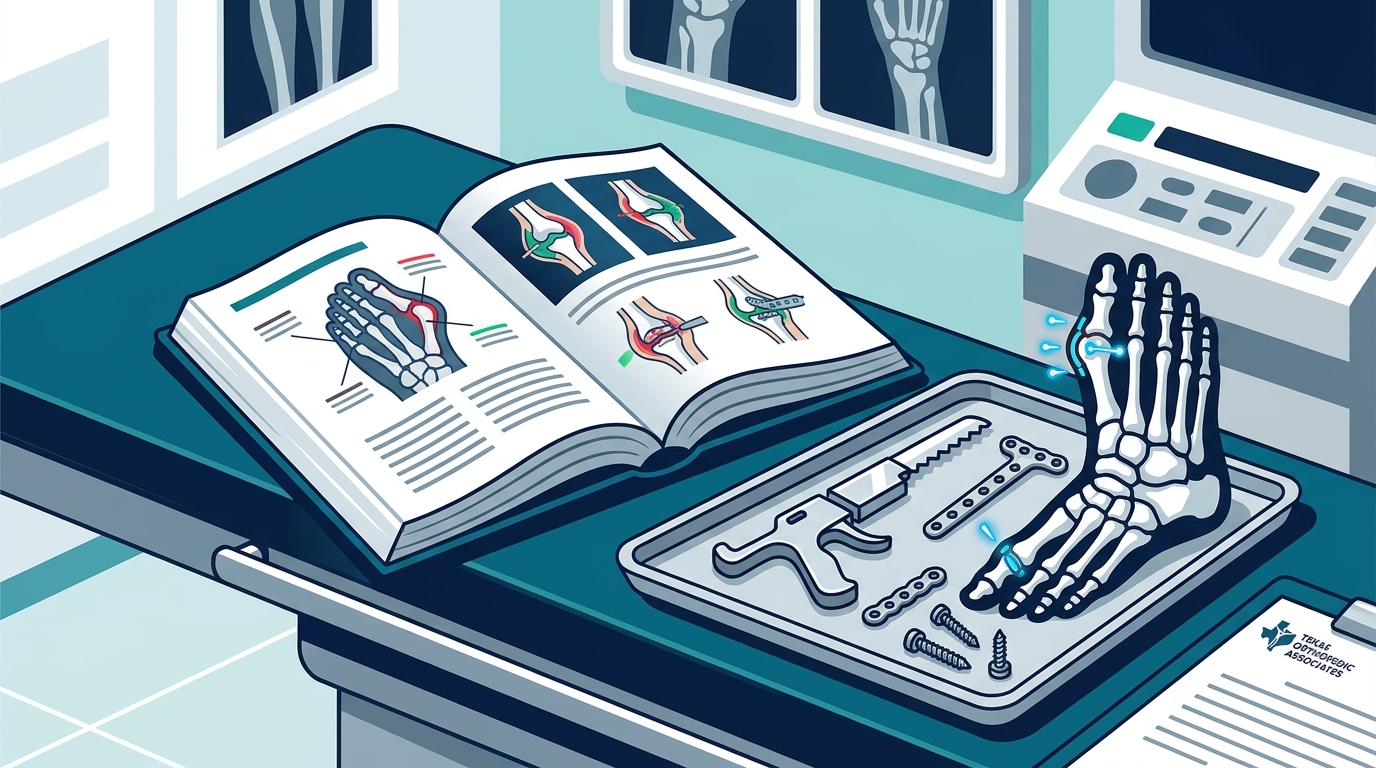
5. Chevron Osteotomy
A versatile distal cut suitable for a wide range of deformities. The Chevron osteotomy is a V-shaped cut in the metatarsal head. It allows for precise correction of the bunion angle. This technique is often used in severe cases where significant realignment is needed but joint preservation is possible.
6. Scarf Osteotomy
Effective for correcting both length and angle in severe deformities. The Scarf osteotomy is a Z-shaped cut that allows the surgeon to shorten or lengthen the metatarsal. This flexibility makes it useful for complex bunion cases. It provides a stable correction that can address multiple deformity components simultaneously.
7. Soft Tissue Rebalancing Procedures
Essential adjunct to bone correction for severe ligamentous laxity. Severe bunions often involve stretched ligaments and tight tendons. Soft tissue procedures, such as capsuloplasty and tendon transfers, are performed alongside bone cuts. These steps restore the balance of the foot and prevent the bunion from recurring.
Choosing the Right Technique
The best technique depends on the specific anatomy of your foot. A fellowship-trained surgeon will evaluate your joint health, bone angles, and activity goals to select the optimal approach. At Leroy Butler, DO PLLC, we tailor each plan to ensure long-term stability and pain relief.
Frequently Asked Questions
Is bunion surgery painful?
Most patients manage post-operative pain with oral medications. The acute pain typically subsides within the first week. Long-term pain relief is the primary goal of the surgery.
How long is recovery from severe bunion surgery?
Recovery usually takes six to eight weeks for bone healing. You may need to wear a surgical boot for several weeks. Full return to high-impact activities may take three to six months.
Can I walk immediately after bunion surgery?
Weight-bearing status depends on the specific technique used. Some procedures allow immediate protected weight-bearing, while others require non-weight-bearing periods. Your surgeon will provide specific instructions based on your surgery.
Will my bunion come back after surgery?
Recurrence is possible but less common with modern techniques. Proper surgical planning and adherence to post-operative protocols minimize this risk. Soft tissue balancing is critical to maintaining the correction.
Do I need a fellowship-trained surgeon for severe bunions?
Severe cases benefit from subspecialty expertise. Fellowship-trained foot and ankle surgeons have advanced training in complex deformity correction. This expertise is crucial for achieving optimal outcomes in difficult cases.