

6 Main ACL Reconstruction Approaches Orthopedic Surgeons Use Today
Anterior cruciate ligament (ACL) reconstruction is a surgical procedure that replaces a torn ACL with a graft to restore knee stability. Surgeons select techniques based on the patient's age, activity level, and specific injury pattern. At Leroy Butler, DO PLLC, we tailor these approaches to ensure long-term joint health and functional recovery for our patients in Dallas and Frisco.
1. Bone Tunnel Techniques
2. Graft Selection
3. Surgical Access Methods
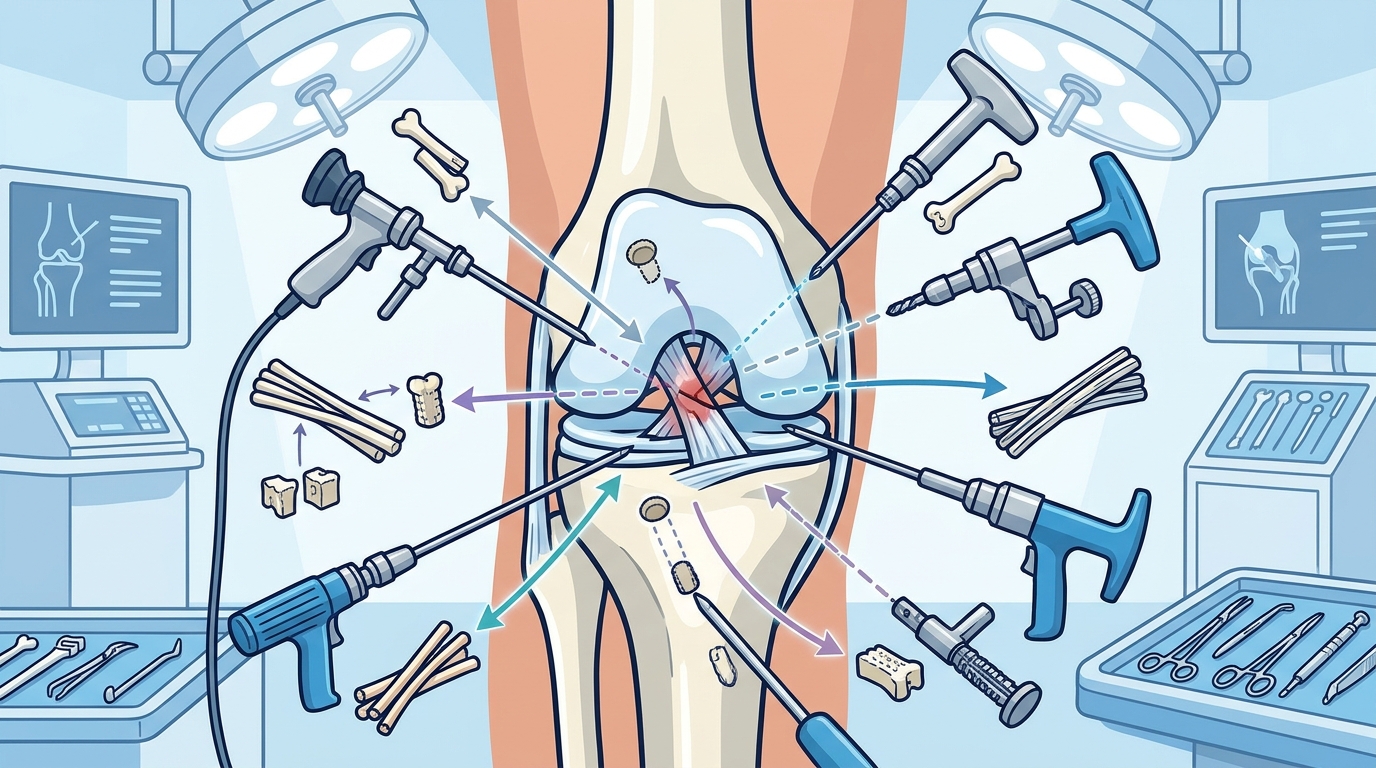
Arthroscopic surgery is the gold standard for minimally invasive ACL reconstruction. This method uses small incisions and a camera to guide the surgeon, resulting in less soft tissue damage and faster initial recovery. Open surgery is rarely used today but may be necessary for specific complex cases. The arthroscopic approach allows for precise placement of the graft and simultaneous treatment of other knee injuries. For additional details, review the Accessibility Statement Leroy Butler.
4. Fixation Methods
Interference screws and endobuttons are the primary methods for securing the graft. An interference screw is a device that holds the graft in place within the bone tunnel as the tissue heals. Endobuttons are metal or bioabsorbable devices used to secure the graft on the femoral side. The choice of fixation depends on the graft type and the surgeon's preference, with bioabsorbable options eliminating the need for future hardware removal. For additional details, review the .
5. Combined Procedures
Meniscus repair is frequently performed during ACL reconstruction. A meniscus tear is a common accompanying injury that can affect long-term knee health. Addressing both injuries in a single surgery reduces the need for a second procedure. Surgeons evaluate the meniscus during the arthroscopy to determine if it can be repaired or if a partial meniscectomy is required.
6. Rehabilitation Protocols
Structured physical therapy is critical for a successful return to activity. Rehabilitation is a phased process that begins immediately after surgery and continues for several months. Early phases focus on reducing swelling and restoring range of motion, while later phases emphasize strength and neuromuscular control. Adherence to the protocol is the strongest predictor of a safe return to sports and daily activities.
Frequently Asked Questions
What is the most common graft used for ACL reconstruction?
The hamstring autograft and patellar tendon autograft are the most commonly used options. The choice depends on the patient's specific needs and the surgeon's experience.
How long does ACL reconstruction surgery take?
The surgery typically takes between one and two hours. The exact duration depends on the complexity of the injury and whether other procedures are performed simultaneously.
Can I return to sports after ACL reconstruction?
Most patients can return to sports after nine to twelve months of rehabilitation. The timeline varies based on the individual's progress and the demands of their sport.
What is the difference between single and double bundle ACL reconstruction?
Single-bundle reconstruction replaces one part of the ACL, while double-bundle replaces both the anterior and posterior bundles. Double-bundle is often reserved for complex injuries or revision cases.
Is ACL reconstruction a permanent solution?
ACL reconstruction is a long-term solution, but the graft can be injured again if the patient returns to high-risk activities too early. Proper rehabilitation and ongoing strength training are essential for long-term success.
Choosing the Right Approach
The best ACL reconstruction approach depends on your specific injury, age, and activity goals. At Leroy Butler, DO PLLC, we provide personalized care to help you make an informed decision. To discuss your options, for a consultation.