

Dr. Leroy Butler, a foot and ankle fellowship-trained orthopedic surgeon, repairs torn Achilles tendons at his two North Texas locations in Dallas and Frisco. This guide explains the surgical process, recovery timelines, and how to choose the right specialist for your specific injury.
Understanding the Injury
An Achilles tendon rupture is a complete or partial tear of the thick band of tissue connecting your calf muscles to your heel bone. This injury is one of the most common sports-related traumas, often occurring during sudden acceleration or a forceful push-off. Patients typically report a sharp pain in the back of the ankle, often described as feeling like they were kicked or struck by a heavy object.
Diagnosis and Imaging
Accurate diagnosis is critical before any treatment plan is established. While a physical exam can often identify a rupture through the Thompson test, imaging is required to determine the extent of the tear. An MRI is the gold standard for visualizing the tendon gap and the quality of the remaining tissue. At Leroy Butler, DO PLLC, the diagnostic process focuses on precise imaging to tailor the surgical strategy to the specific anatomy of the patient.
Conservative vs. Surgical Management
Not every tear requires surgery. Conservative management involves immobilization in a cast or boot and gradual weight-bearing. However, for active individuals, athletes, or those with a significant tendon gap, surgical repair is often recommended to restore strength and reduce the risk of re-rupture. The decision depends on the patient's activity level, age, and the specific characteristics of the tear.
Surgical Approaches to Repair
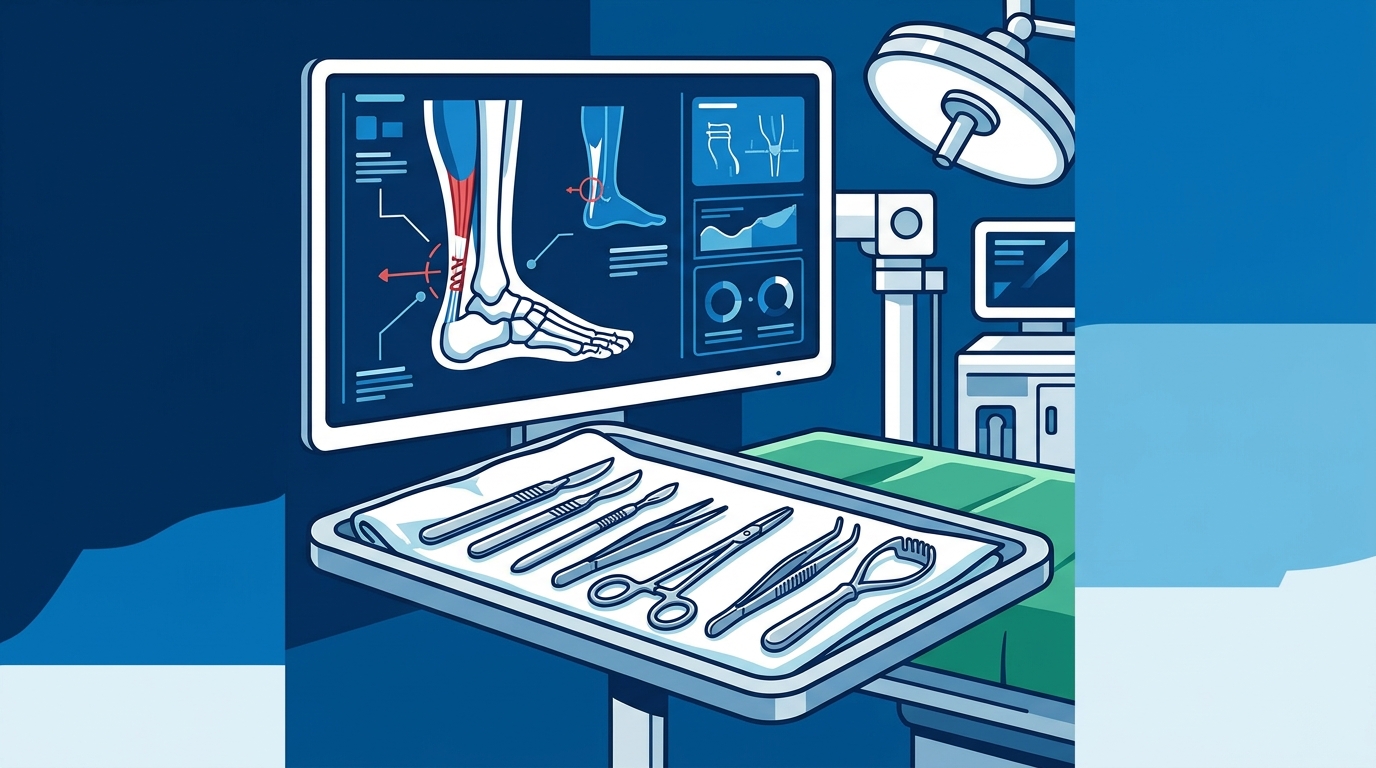
Achilles tendon repair is a specialized procedure that requires expertise in foot and ankle anatomy. The goal is to reapproximate the torn ends of the tendon to restore continuity and strength. Dr. Butler utilizes advanced techniques to ensure a durable repair that minimizes complications.
Open Repair Techniques
Open repair involves making a direct incision over the tendon to visualize and suture the torn ends together. This approach allows the surgeon to inspect the tissue quality and perform a tension-free repair. It is the most common method for acute ruptures where the tendon ends are healthy and can be brought together without excessive tension.
Augmentation and Grafting
In cases where the tendon tissue is degenerated or the gap is too large for a primary repair, augmentation techniques may be used. This involves using a graft, such as the flexor hallucis longus (FHL) tendon, to bridge the gap. This technique is particularly useful for chronic ruptures or in patients with poor tissue quality, providing a stronger foundation for healing.
Minimally Invasive Options
Minimally invasive repair techniques use smaller incisions to place sutures through the tendon. This approach can reduce wound complications and scarring. However, it requires a high level of surgical skill and is not suitable for all patients. The choice of technique depends on the surgeon's expertise and the specific needs of the patient.
Recovery Timeline and Milestones
Recovery from Achilles tendon repair is a structured process that requires patience and adherence to protocol. The timeline varies based on the surgical technique and individual healing rates, but general milestones provide a roadmap for rehabilitation.
Initial Immobilization (Weeks 0-6)
The first phase involves immobilization in a cast or walking boot with the foot in a plantarflexed position. This reduces tension on the repair site, allowing the tendon to heal. Weight-bearing is typically restricted during this period to protect the repair. Patients are monitored closely for signs of infection or wound complications.
Progressive Weight-Bearing (Weeks 6-12)
As healing progresses, patients begin to transition to a neutral foot position and gradually increase weight-bearing. Physical therapy focuses on restoring range of motion and strengthening the calf muscles. This phase is critical for regaining function and preventing stiffness. The progression is guided by clinical findings and imaging if necessary.
Return to Activity (Months 3-6)
Full weight-bearing and advanced strengthening exercises begin around three months post-surgery. Patients gradually return to low-impact activities, followed by higher-impact sports. The timeline for return to sport varies, but most patients can resume their previous activity levels within six to nine months. Adherence to the rehabilitation protocol is the strongest predictor of a successful outcome.
Choosing the Right Specialist
Selecting the right surgeon is one of the most important decisions in your recovery journey. Not all orthopedic surgeons have the same level of expertise in foot and ankle surgery. Subspecialty training is a key differentiator when evaluating potential providers.
The Importance of Fellowship Training
A foot and ankle fellowship is a specialized training program that goes beyond general orthopedic residency. Surgeons who complete this training have dedicated years to mastering the complex anatomy and surgical techniques of the foot and ankle. Dr. Leroy Butler is a fellowship-trained orthopedic surgeon, which means he has undergone this additional specialized training. This expertise is crucial for achieving optimal outcomes in complex cases like Achilles tendon repair.
Experience and Volume
Surgical volume is a strong indicator of outcome quality. Surgeons who perform a high number of Achilles repairs are more likely to have refined their techniques and manage complications effectively. When evaluating a surgeon, ask about their experience with the specific procedure you need. At Leroy Butler, DO PLLC, the focus is on providing high-volume, specialized care for foot and ankle conditions.
Location and Accessibility
Convenience matters, especially during the recovery phase when frequent follow-ups and physical therapy are required. Dr. Butler operates two locations in North Texas, making it easier for patients in the Dallas and Frisco areas to access care. The Frisco location is at 5575 Warren Parkway, Suite 115, and the Dallas location is at 12228 N Central Expy, Suite 390. Having two locations allows for flexible scheduling and easier access to follow-up appointments.
Repair Options Comparison
The following table summarizes the key differences between the main treatment options for a torn Achilles tendon. This comparison can help you have a more informed discussion with your surgeon.
| Factor | Conservative Management | Open Surgical Repair | Minimally Invasive Repair |
|---|---|---|---|
| Best For | Sedentary patients, partial tears | Acute ruptures, active patients | Acute ruptures, patients concerned about scarring |
| Re-rupture Risk | Higher (10-20%) | Lower (2-5%) | Lower (2-5%) |
| Recovery Time | 3-6 months | 6-9 months | 6-9 months |
| Wound Complications | N/A | Higher risk | Lower risk |
| Strength Restoration | May be less complete | Excellent | Excellent |
Key Takeaways
- Dr. Leroy Butler is a foot and ankle fellowship-trained orthopedic surgeon who specializes in Achilles tendon repair.
- Surgical repair is generally recommended for active individuals to reduce the risk of re-rupture and restore strength.
- Recovery is a structured process that typically takes six to nine months to return to full activity.
- Fellowship training is a critical factor in choosing a surgeon for complex foot and ankle procedures.
- Dr. Butler operates two locations in North Texas, in Dallas and Frisco, providing convenient access to care.
- Accurate diagnosis with MRI is essential for determining the best treatment plan.
- Adherence to the rehabilitation protocol is the strongest predictor of a successful outcome.
Frequently Asked Questions
Who performs Achilles tendon repair in Dallas and Frisco?
Dr. Leroy Butler, a foot and ankle fellowship-trained orthopedic surgeon, performs Achilles tendon repairs at his two locations in Dallas and Frisco, Texas.
How long does it take to recover from Achilles tendon surgery?
Full recovery typically takes six to nine months. The initial phase involves immobilization, followed by progressive weight-bearing and physical therapy.
Is surgery always necessary for a torn Achilles tendon?
No, but surgery is often recommended for active individuals and athletes to reduce the risk of re-rupture and restore full strength. Conservative management may be appropriate for sedentary patients.
What is the difference between open and minimally invasive repair?
How important is fellowship training in choosing a surgeon?
Very important. Fellowship training provides specialized expertise in foot and ankle surgery, which is crucial for achieving optimal outcomes in complex procedures like Achilles repair.
Where are Dr. Butler's offices located?
The Frisco office is at 5575 Warren Parkway, Suite 115, and the Dallas office is at 12228 N Central Expy, Suite 390.
Conclusion
Choosing the right surgeon for a torn Achilles tendon is a critical decision that impacts your long-term mobility and quality of life. Dr. Leroy Butler brings fellowship-trained expertise and a patient-centered approach to foot and ankle care in North Texas. With locations in both Dallas and Frisco, his practice offers convenient access to specialized care for patients across the Metroplex. If you are experiencing symptoms of an Achilles tendon tear, contact the practice to schedule a consultation and discuss your treatment options.