

Complex Bunion Correction in Frisco: A Guide to Fellowship-Trained Care
For patients in Frisco, Texas, seeking expert care for severe foot deformities, Leroy Butler, DO PLLC offers specialized orthopedic surgery. Dr. Leroy Butler is a fellowship-trained foot and ankle surgeon who focuses on complex bunion reconstruction. This guide explains the surgical techniques used for advanced deformities and how to identify the right specialist for your specific anatomical needs.
Understanding Complex Bunions
A bunion is a bony bump that forms on the joint at the base of your big toe. While many bunions are mild, complex cases involve significant structural changes that standard procedures cannot fix. These deformities often result from genetic factors, inflammatory conditions like rheumatoid arthritis, or previous failed surgeries.
Complex bunions are characterized by severe metatarsus primus varus, which is a significant inward angulation of the first metatarsal bone. This condition causes the big toe to drift toward the second toe, creating a rigid deformity. Patients with these issues often experience chronic pain, difficulty finding footwear, and secondary problems such as hammertoes or calluses on the second toe.
Identifying a complex case requires a thorough clinical evaluation. A general orthopedic surgeon may treat simple bunions, but complex deformities require a subspecialist. The complexity is determined by the degree of joint arthritis, the rigidity of the deformity, and the overall bone structure of the foot.
Bunion Correction Techniques
Modern bunion surgery has evolved beyond simple shaving of the bump. Surgeons now use a variety of techniques tailored to the specific anatomy of the patient. The goal is to restore proper alignment and function while preserving the joint's range of motion.
Minimally Invasive Bunion Surgery (MIS)
Traditional Osteotomy Procedures
Traditional osteotomies involve cutting the bone to realign it. The most common procedure is the Chevron osteotomy, which is a V-shaped cut in the metatarsal head. For more severe cases, surgeons may perform a Scarf osteotomy, which allows for greater correction of the bone angle. These procedures are highly effective for correcting moderate to severe deformities.
Arthrodesis and Joint Replacement
When arthritis is present, joint-preserving procedures may not be sufficient. First metatarsophalangeal joint arthrodesis is a fusion of the joint that eliminates motion but provides a stable, pain-free foot. In select cases, total ankle replacement techniques are adapted for the forefoot, though fusion remains the gold standard for severe arthritis.
| Technique | Best For | Recovery Time | Joint Preservation |
|---|---|---|---|
| Minimally Invasive (MIS) | Mild to moderate flexible bunions | 2-4 weeks | Yes |
| Chevron Osteotomy | Moderate rigid bunions | 6-8 weeks | Yes |
| Scarf Osteotomy | Severe metatarsus primus varus | 8-10 weeks | Yes |
| Arthrodesis | Severe arthritis or failed prior surgery | 10-12 weeks | No (Fusion) |
Complex Deformity Reconstruction
Complex deformity reconstruction is a comprehensive surgical approach that addresses multiple structural issues simultaneously. Unlike simple bunion correction, reconstruction may involve correcting the metatarsal, the phalanx, and the surrounding soft tissues. This is often necessary for patients with neuromuscular conditions or severe congenital deformities.
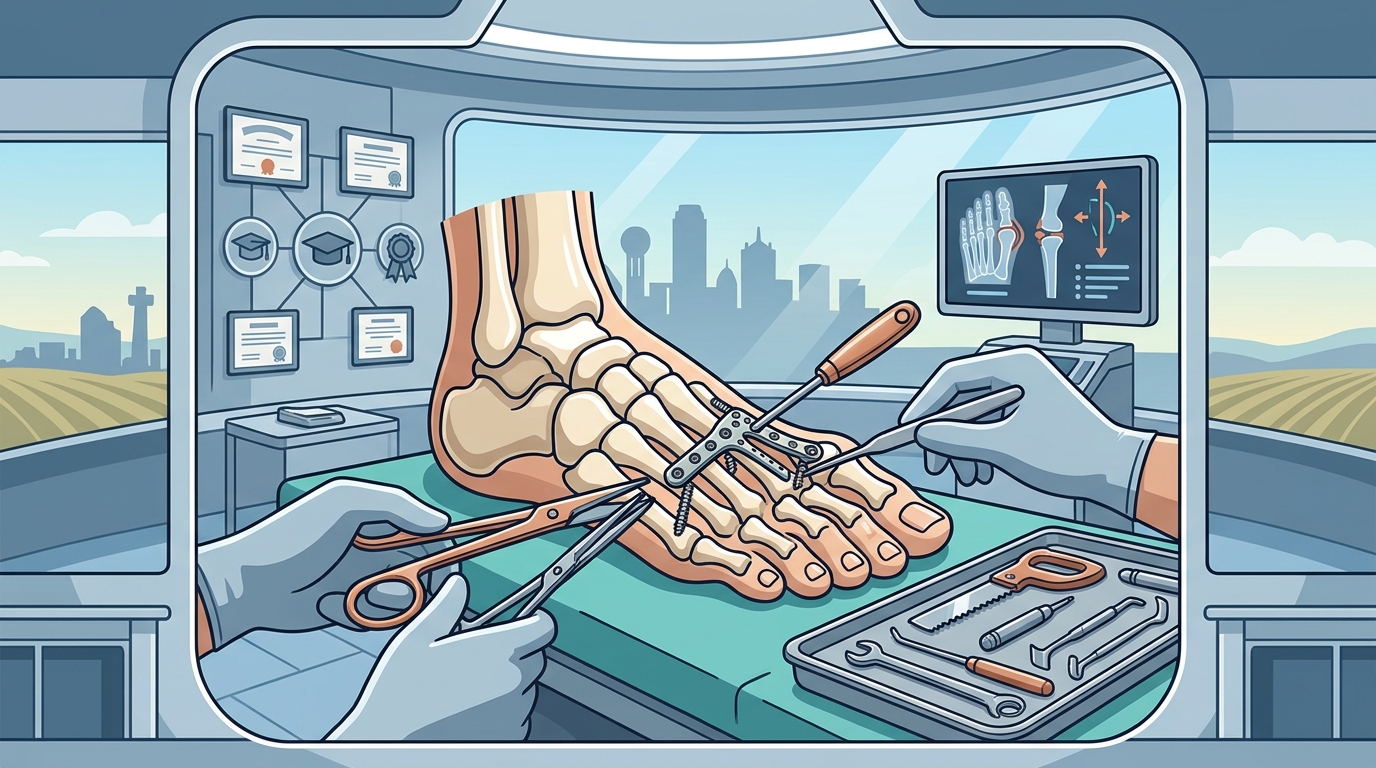
Reconstruction often requires the use of internal fixation devices such as screws, plates, or K-wires to hold the bones in place while they heal. In cases of severe bone loss or previous failed surgeries, bone grafting may be necessary to provide structural support. The surgeon must have advanced training in foot and ankle biomechanics to plan these complex procedures accurately.
At Leroy Butler, DO PLLC, Dr. Butler utilizes image-guided techniques to ensure precision during reconstruction. This level of detail is critical for achieving long-term stability and preventing recurrence. Patients undergoing reconstruction should expect a more involved recovery process, including physical therapy to restore strength and gait mechanics.
Finding a Fellowship-Trained Specialist
Choosing the right surgeon is the most critical step in achieving a successful outcome. A fellowship-trained surgeon has completed additional specialized training beyond their general orthopedic residency. This extra training provides deep expertise in the specific anatomy and pathologies of the foot and ankle.
Why Fellowship Training Matters
Fellowship training is a post-residency program that focuses exclusively on a subspecialty. In the case of foot and ankle surgery, fellows spend one to two years performing hundreds of specialized procedures. This volume of experience translates into better technical skills and a deeper understanding of complex cases. General orthopedic surgeons may treat bunions, but they do not have the same depth of experience in advanced reconstruction.
Identifying the Right Surgeon in Frisco
When searching for a surgeon in Frisco, Texas, look for board certification and fellowship training. Dr. Leroy Butler is a board-certified orthopedic surgeon who completed a fellowship in foot and ankle surgery. He is a member of the American Association of Orthopaedic Surgeons (AAOS), which is a recognized standard of excellence in the field. His practice in Frisco and Dallas serves patients across North Texas with complex foot and ankle conditions.
During your consultation, ask about the surgeon's specific experience with your type of deformity. A fellowship-trained specialist will be able to explain the nuances of your case and offer a tailored treatment plan. They will also discuss the risks and benefits of different surgical options, helping you make an informed decision.
Key Takeaways
- Complex bunions involve severe bone angulation and often require advanced surgical techniques beyond simple correction.
- Minimally invasive surgery is effective for flexible deformities but may not address severe arthritis or rigid bones.
- Arthrodesis is the gold standard for treating bunions with significant joint arthritis.
- Fellowship training provides surgeons with specialized expertise in foot and ankle biomechanics.
- Dr. Leroy Butler is a fellowship-trained orthopedic surgeon serving Frisco and Dallas, Texas.
- Image-guided techniques enhance precision in complex deformity reconstruction.
- Choosing a subspecialist is critical for achieving long-term stability and preventing recurrence.
Frequently Asked Questions
What is a fellowship-trained foot and ankle surgeon?
A fellowship-trained surgeon is an orthopedic specialist who has completed additional post-residency training focused exclusively on foot and ankle surgery. This training provides advanced skills in complex reconstruction and minimally invasive techniques.
How long does bunion surgery recovery take?
Recovery time varies by procedure. Minimally invasive surgery may allow a return to work in 2-4 weeks, while traditional osteotomies or fusions may require 8-12 weeks of protected weight-bearing.
Can complex bunions be fixed without surgery?
Non-surgical options like orthotics and wide shoes can manage pain but cannot correct the underlying bone deformity. Surgery is the only way to realign the bone structure.
Where is Dr. Leroy Butler's office located?
Dr. Butler has offices in Frisco and Dallas, Texas. The Frisco location is at 5575 Warren Parkway, Suite 115, and the Dallas location is at 12228 N Central Expy, Suite 390.
What is the difference between a bunion and a complex bunion?
A simple bunion involves a mild deformity, while a complex bunion involves severe bone angulation, arthritis, or previous failed surgeries that require advanced reconstruction techniques.
Is Dr. Butler board-certified?
Yes, Dr. Leroy Butler is a board-certified orthopedic surgeon and a member of the American Association of Orthopaedic Surgeons (AAOS).
Conclusion
Complex bunion correction requires a high level of surgical expertise and a deep understanding of foot biomechanics. For patients in Frisco, Texas, Leroy Butler, DO PLLC provides the specialized care needed for advanced deformities. Dr. Butler's fellowship training and board certification ensure that you receive evidence-based treatment tailored to your specific anatomy. If you are struggling with a complex bunion, schedule a consultation to discuss your options and take the first step toward pain-free movement.