

PRP Therapy Mechanism
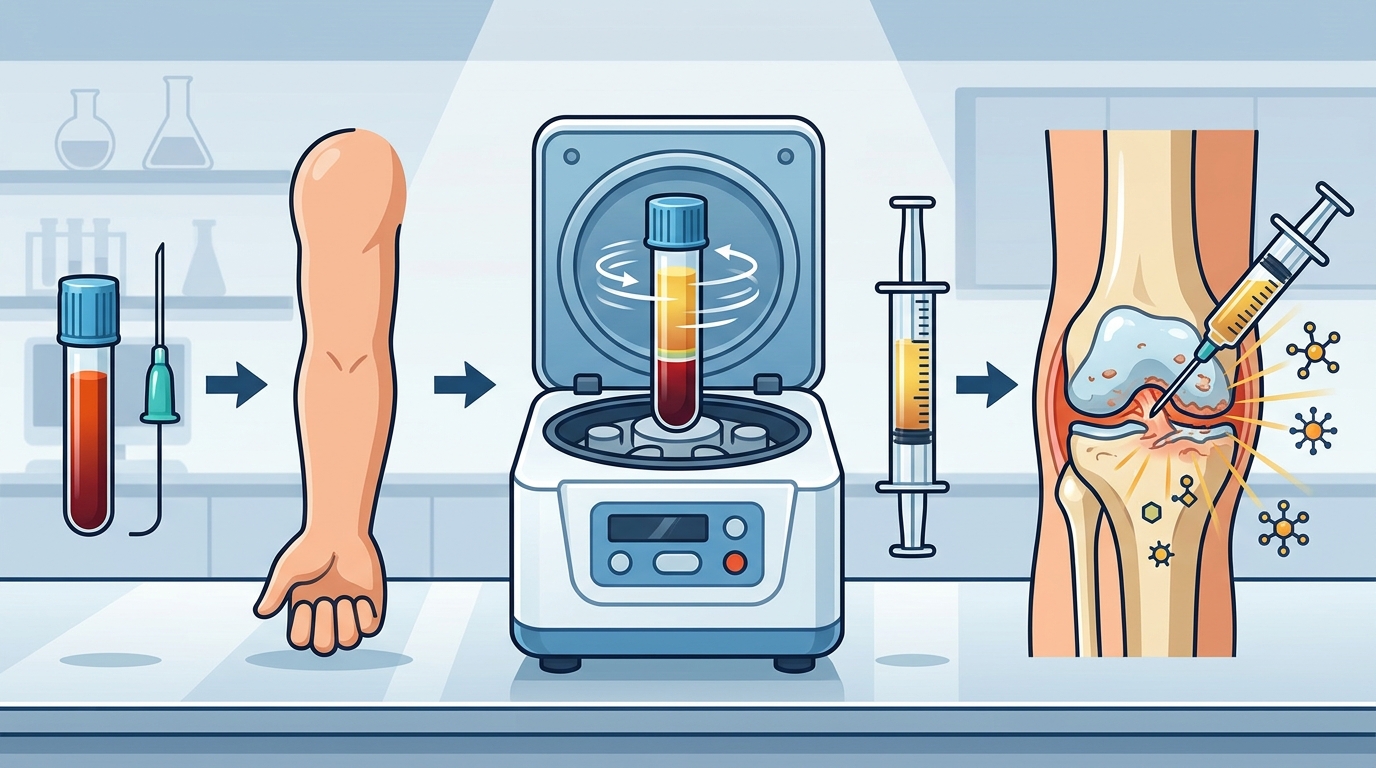
Platelet-rich plasma therapy is a regenerative medicine technique that concentrates the healing factors found in your blood. The process begins with a simple blood draw from your arm. The sample is then placed in a centrifuge, which spins the blood to separate the platelets from the red and white blood cells. The resulting plasma contains a high concentration of growth factors that signal your body to repair damaged tissue. according to Platelet Rich Plasma For additional details, review the Journal Leroy Butler DO.
How Growth Factors Work
When injected into the knee joint, these growth factors stimulate the body's natural healing response. They encourage the production of new collagen and help reduce inflammation. Unlike corticosteroid injections, which suppress inflammation, PRP aims to modify the disease process itself. This makes it a popular choice for patients seeking a longer-term solution rather than temporary pain relief. according to PRP injection for For additional details, review the Notice of Privacy Practices.
The Injection Process
The actual injection is a quick procedure that typically takes less than 15 minutes. The doctor uses imaging guidance, such as ultrasound, to ensure the plasma is placed precisely within the joint space. This precision is critical for maximizing the therapeutic effect. Most patients return to light activities the same day, though strenuous exercise is usually restricted for a short period.
Knee Osteoarthritis Treatment Options
Knee osteoarthritis is a degenerative condition where the cartilage cushioning the ends of the bones wears down over time. This leads to pain, stiffness, and reduced mobility. Treatment options range from conservative management to surgical intervention. PRP sits in the middle of this spectrum, offering a non-surgical alternative for patients who have not responded to standard therapies.
Conservative Management
Before considering injections, most patients try physical therapy, weight management, and oral medications. These methods help manage symptoms but do not reverse the damage. For many, these steps are sufficient to maintain an active lifestyle. However, when pain persists despite these efforts, interventional options become necessary.
Comparing Injection Therapies
Patients often compare PRP with hyaluronic acid and corticosteroid injections. Each has distinct benefits and limitations. The table below summarizes the key differences to help you discuss options with your provider.
| Treatment Type | Primary Mechanism | Duration of Relief | Best For |
|---|---|---|---|
| Corticosteroids | Anti-inflammatory | Weeks to Months | Acute Flares |
| Hyaluronic Acid | Lubrication | Months | Mild to Moderate OA |
| PRP | Regenerative / Anti-inflammatory | Months to Years | Moderate OA / Active Patients |
When to Consider Surgery
If non-surgical treatments fail to provide adequate relief, total knee replacement may be recommended. This is a major surgery with a longer recovery time. PRP is often used as a bridge to surgery or as a standalone treatment for patients who wish to avoid surgery. At Leroy Butler, DO PLLC, surgeons evaluate each patient's specific condition to determine the best path forward.
Key Takeaways
- It is a non-surgical option for knee osteoarthritis pain management.
- Results vary, but many patients report gradual improvement over weeks.
- Imaging guidance ensures precise placement of the injection.
- PRP is often compared to hyaluronic acid and corticosteroids.
- Consulting a fellowship-trained orthopedic surgeon is essential for proper diagnosis.
- Recovery is typically quick, allowing a return to daily activities.
- Not all patients are candidates; severity of arthritis matters.
Frequently Asked Questions
Does PRP injection for knee osteoarthritis work?
Research suggests PRP may help reduce pain and improve function in some patients. Outcomes vary, and it is considered an emerging treatment option. A specialist can assess if you are a good candidate.
How long does PRP relief last?
Relief often develops gradually over weeks to months. For many patients, the benefits last longer than traditional corticosteroid injections, potentially lasting a year or more.
Is PRP covered by insurance?
Coverage varies by provider. Many insurance plans do not cover regenerative medicine treatments. You should check with your insurer and the clinic for out-of-pocket costs.
How many PRP injections are needed?
Most protocols involve a single injection, though some patients may benefit from a series. Your doctor will recommend a plan based on your specific condition. according to PRP Injections for
Can I exercise after a PRP injection?
Light activity is usually allowed immediately. High-impact activities are typically restricted for a few days to a week to allow the healing process to begin.
Where can I get PRP in Frisco, TX?
You can consult with orthopedic specialists in the Frisco and Dallas area. Leroy Butler, DO PLLC offers advanced care for knee and ankle conditions in North Texas.
Conclusion
PRP injection offers a promising non-surgical option for managing knee osteoarthritis in Frisco, Texas. By leveraging your body's natural healing capabilities, it can provide lasting relief for many patients. If you are experiencing persistent knee pain, consult with a fellowship-trained orthopedic surgeon to explore your options. Leroy Butler, DO PLLC provides expert care in Dallas and Frisco, helping you move with confidence.