
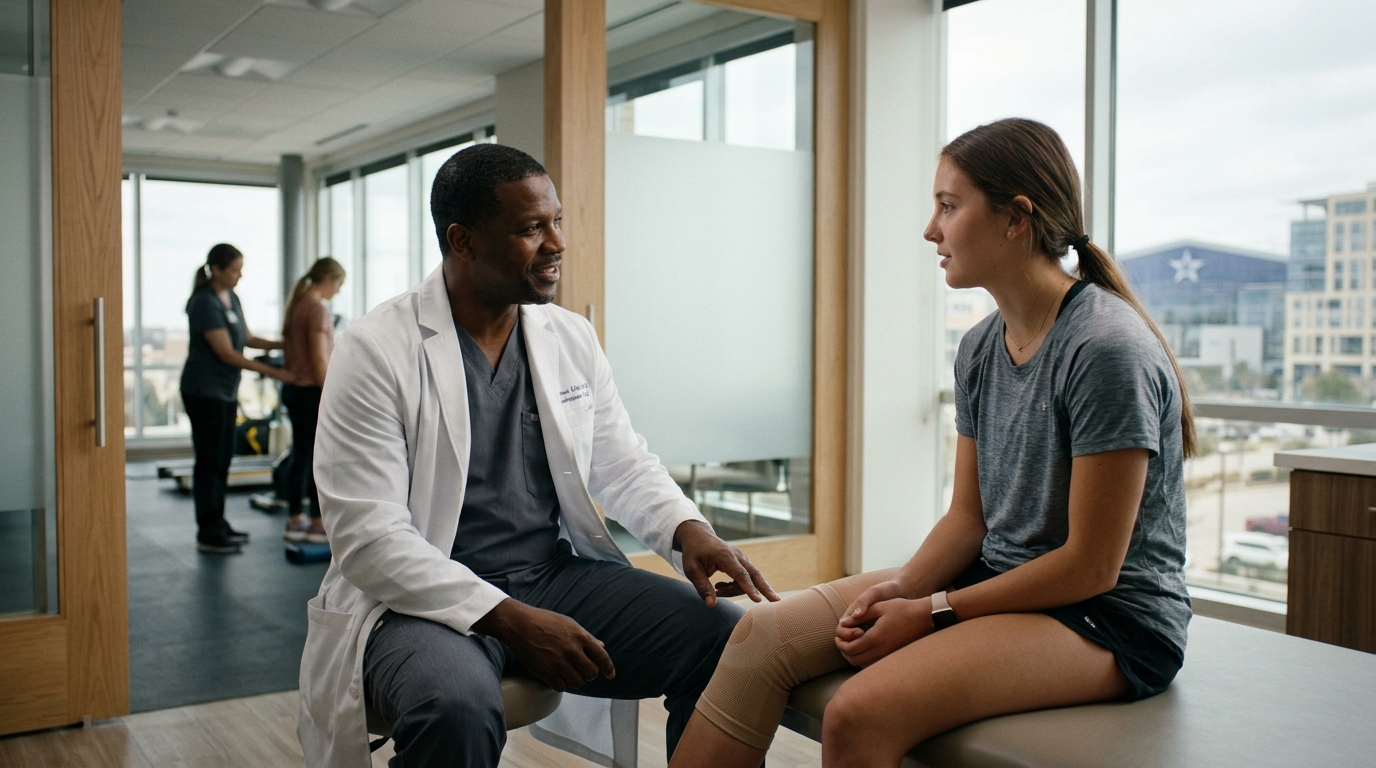
Choosing the right provider for ACL reconstruction and meniscus repair in Frisco requires evaluating fellowship training, surgical volume, and specific joint expertise. Leroy Butler, DO PLLC offers specialized knee sports medicine and foot and ankle care in the Metroplex. This guide covers surgical techniques, revision protocols, and meniscal preservation strategies to help you make an informed decision.
ACL Reconstruction Techniques
Anterior cruciate ligament reconstruction is a surgical procedure that replaces a torn ACL with a graft to restore knee stability. The choice of graft material significantly impacts long-term outcomes and recovery timelines. Surgeons typically select between autografts, which use tissue from the patient's own body, and allografts, which use donor tissue. For additional details, review the Notice of Privacy Practices.
Autograft Options
Allograft and Biological Approaches
Allografts are often considered for older or less active patients to avoid donor site morbidity. However, they may have higher failure rates in high-demand athletes. Emerging biological approaches, such as the BEAR procedure, focus on repairing the native ligament rather than replacing it. This technique preserves the knee's natural proprioception and biomechanics. Duke Health notes that such specialized procedures require specific training and research backing. For additional details, review the Accessibility Statement Leroy Butler.
Revision ACL Surgery
Revision ACL surgery is a complex procedure performed when a previous reconstruction fails or the graft loosens. This operation is technically more demanding than a primary reconstruction due to altered anatomy and bone tunnel placement. Success depends on accurate diagnosis of the initial failure and precise planning of the new graft trajectory.
Challenges in Revision Cases
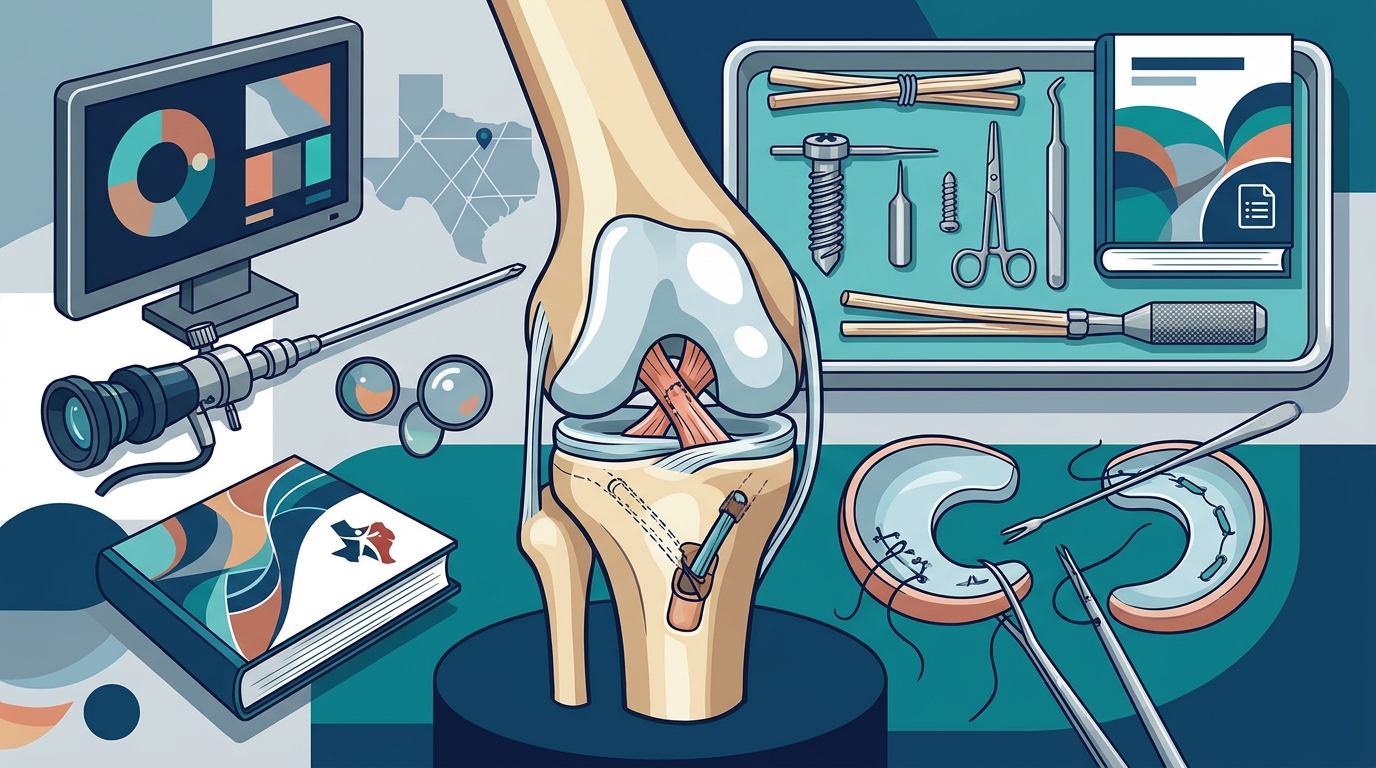
Previous bone tunnels can compromise the placement of new screws or interference devices. Surgeons must often use larger tunnels or alternative fixation methods to ensure stability. The risk of infection and stiffness is higher in revision cases. A surgeon with extensive experience in complex knee reconstruction is essential for these patients.
When to Consider Revision
Patients should consider revision if they experience persistent instability, pain, or graft failure. Imaging studies, such as MRI, help assess the integrity of the previous graft and the condition of the surrounding structures. Early intervention can prevent further damage to the meniscus and cartilage. Research indicates that combined procedures, such as meniscus repair during ACL reconstruction, can improve overall knee function. according to Current strategies for
ACL Reconstruction
ACL reconstruction is a minimally invasive arthroscopic procedure that restores knee stability after a ligament tear. The surgery involves creating tunnels in the femur and tibia to secure the graft. Post-operative rehabilitation is critical for a successful return to activity.
Surgical Procedure Overview
The surgeon makes small incisions to insert an arthroscope and surgical instruments. The graft is passed through the bone tunnels and secured with screws or buttons. The procedure typically lasts one to two hours. Patients are often discharged the same day or the next morning.
Rehabilitation and Recovery
Rehabilitation begins immediately after surgery with range-of-motion exercises. Strengthening and proprioception training follow in the subsequent weeks. Most patients return to light activities within three to four months. Full return to sports may take nine to twelve months, depending on the individual's progress and the type of sport. HSS emphasizes that specialized training in sports medicine is required for optimal outcomes in ligament reconstruction.
Meniscus Repair
Meniscus repair is a surgical technique that preserves the natural shock-absorbing tissue of the knee. Unlike meniscectomy, which removes damaged tissue, repair aims to restore the meniscus's function. This approach is preferred when the tear is in a vascular zone and the tissue quality is good.
Indications for Repair
Repair is indicated for tears in the red-red or red-white zones, where blood supply supports healing. Tear morphology, such as longitudinal or radial tears, also influences the decision. Age alone should not determine reparability; tissue quality and vascularity are more important factors. Current strategies prioritize meniscal preservation whenever technically feasible during ACL reconstruction.
Combined Procedures
Meniscus repair is often performed concurrently with ACL reconstruction. This combined approach addresses both instability and meniscal damage in a single surgery. Studies suggest that meniscal repair combined with ACL reconstruction yields better long-term outcomes than meniscectomy. The key is to identify and repair all significant tears during the index procedure.
| Factor | ACL Reconstruction | Meniscus Repair |
|---|---|---|
| Primary Goal | Restore knee stability | Preserve shock absorption |
| Typical Recovery | 9-12 months for sports | 6-8 weeks for full weight bearing |
| Key Consideration | Graft choice and fixation | Tear location and vascularity |
| Combined Benefit | Addresses instability | Prevents early arthritis |
Key Takeaways
- Fellowship-trained surgeons offer specialized expertise in complex knee and ankle conditions.
- Meniscal preservation is preferred over resection when tissue quality allows.
- Revision ACL surgery requires precise planning due to altered anatomy.
- Combined ACL and meniscus repair can improve long-term knee health.
- Rehabilitation is as critical as the surgery itself for successful outcomes.
- Choosing a provider with high surgical volume and research backing is essential. according to Meniscal repair and
Frequently Asked Questions
What is the best graft for ACL reconstruction?
The best graft depends on the patient's age, activity level, and surgeon preference. Autografts are generally preferred for active athletes, while allografts may be suitable for less active patients. Discuss your goals with your surgeon to determine the optimal choice.
Can meniscus tears be repaired during ACL surgery?
Yes, meniscus repair is often performed concurrently with ACL reconstruction. This combined approach addresses both instability and meniscal damage, leading to better long-term outcomes. The feasibility of repair depends on the tear's location and tissue quality.
How long does ACL reconstruction recovery take?
Recovery typically takes nine to twelve months for a full return to sports. Initial rehabilitation focuses on range of motion and strength. Patients should follow their surgeon's and physical therapist's guidance to ensure a safe and effective recovery.
What are the risks of revision ACL surgery?
Revision surgery carries higher risks of infection, stiffness, and graft failure compared to primary reconstruction. These risks are mitigated by careful planning and experienced surgical technique. Patients should discuss their specific risks with their surgeon.
Is meniscus repair better than meniscectomy?
Meniscus repair is generally preferred when possible because it preserves the knee's natural shock absorption. Meniscectomy may be necessary for complex or non-repairable tears. Long-term studies show that meniscal preservation reduces the risk of early arthritis.
How do I choose the right orthopedic surgeon in Frisco?
Look for a surgeon with fellowship training in foot and ankle or sports medicine. Consider their surgical volume, experience with complex cases, and patient outcomes. Leroy Butler, DO PLLC provides specialized care in the Frisco and Dallas areas.
What is the BEAR procedure?
The BEAR procedure is a biological approach to ACL repair that preserves the native ligament. It involves injecting a scaffold into the torn ligament to promote healing. This technique is still evolving and requires specific training to perform.
Can I return to work after ACL surgery?
Return to work depends on the type of job and the patient's recovery progress. Desk jobs may allow a return within a few weeks, while physical labor may require several months. Consult with your surgeon to develop a safe return-to-work plan.
Conclusion
Selecting the right provider for ACL reconstruction and meniscus repair in Frisco is a critical decision that impacts your long-term joint health. Leroy Butler, DO PLLC offers fellowship-trained expertise in foot, ankle, and knee orthopedics, serving the Metroplex from Frisco and Dallas. By understanding the nuances of surgical techniques, revision protocols, and meniscal preservation, you can make an informed choice. To discuss your specific condition and treatment options, for a consultation.